
A car’s paint is one of its most vulnerable features. Road debris, UV rays, bird droppings, and minor scrapes can all take a toll on that showroom shine over time. This is where Paint Protection Film (PPF) comes in — a transparent, durable layer designed to shield your vehicle’s exterior from everyday wear and tear. In this article, we’ll explore what PPF is, how it works, its benefits, and answer some common questions about PPF Coating for Car owners considering this investment.
What Is Paint Protection Film?
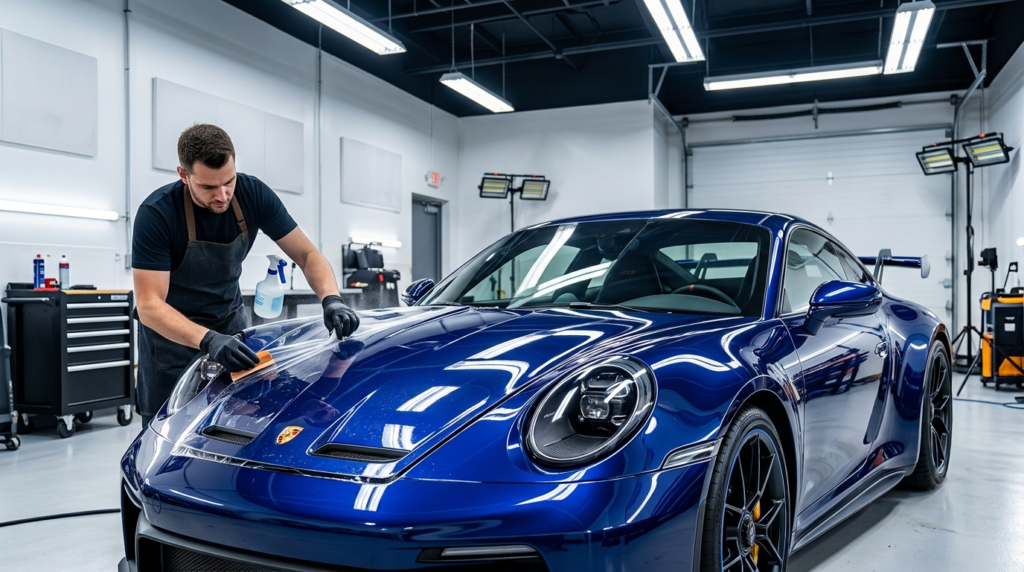
Paint Protection Film, often referred to as PPF, is a thin, transparent polyurethane film applied to the exterior surfaces of a vehicle. Unlike traditional wax or ceramic coatings that sit as a chemical layer on the paint, a Car Paint Protection Film is a physical barrier bonded directly to the surface. It’s designed to absorb impact from small stones, road grit, insect splatter, and other debris before they can damage the underlying paintwork.
Modern PPF products are engineered with self-healing properties, meaning minor scratches and swirl marks can disappear when exposed to heat, such as sunlight or warm water. This makes Car Protection Film not just a shield, but a smart, adaptive layer that maintains its clarity and performance over years of use.
How PPF Coating Works
The application of PPF Coating involves precision-cutting the film to match the exact contours of a vehicle’s body panels — including the hood, bumper, side mirrors, door edges, and rocker panels. Professional installers use computer-generated templates or hand-cut techniques to ensure a seamless, bubble-free fit.
Once applied, the film adheres to the paint using a specialized adhesive that is strong enough to stay in place through years of driving, washing, and weather exposure, yet doesn’t damage the factory paint when removed or replaced. Many PPF products also include a top-coat layer that resists staining, discoloration, and UV degradation, keeping the film looking clear and glossy rather than yellowing over time.
Key Benefits of PPF On Car
1. Protection Against Physical Damage
The primary purpose of PPF On Car applications is to prevent rock chips, scratches, and minor abrasions caused by road debris. Highway driving, gravel roads, and parking lots are common sources of paint damage that PPF helps mitigate.
2. UV and Environmental Resistance
Sunlight exposure can cause paint to fade and oxidize over time. A quality Car Paint Protection Film includes UV inhibitors that help preserve the vehicle’s original color and finish, especially important in regions with intense sun exposure.
3. Self-Healing Technology
Many premium PPF products use thermoplastic urethane layers that respond to heat by “healing” light surface scratches. This means swirl marks from washing or minor scuffs can often vanish without professional buffing.
4. Preserves Resale Value
A vehicle with well-maintained paint typically commands a higher resale value. Since Car Protection Film prevents chips, stains, and fading, it helps keep the car’s exterior looking newer for longer, which can be a significant selling point down the line.
5. Low Maintenance
Once installed, PPF requires minimal upkeep. Regular washing with car-safe soap is generally enough to keep the film — and the paint beneath it — looking clean and protected.
Where Is PPF Coating for Car Typically Applied?
While some owners choose to wrap their entire vehicle, many opt for targeted protection in high-impact zones. Common areas for PPF Coating for Car applications include:
- Front bumper and hood
- Side mirrors
- Door edges and handles
- Rocker panels
- Rear bumper (especially for loading and towing wear)
- Headlights (to prevent yellowing and pitting)
Choosing partial versus full coverage often depends on budget, driving conditions, and how much protection an owner desires.
PPF vs. Ceramic Coating: What’s the Difference?
It’s common for car owners to confuse PPF with ceramic coating, but they serve different purposes. Ceramic coating is a liquid polymer that bonds to the paint at a molecular level, offering enhanced gloss, hydrophobic properties, and chemical resistance — but it doesn’t provide meaningful protection against physical impacts like rock chips.
PPF, on the other hand, is a physical film that absorbs impact and prevents scratches. Many detailing professionals recommend combining both: applying a ceramic topcoat over PPF to get the benefits of physical protection along with enhanced shine and easier cleaning.
How Long Does PPF Last?
The lifespan of Paint Protection Film varies depending on the product quality and environmental conditions, but most modern films are rated to last between 5 and 10 years. Higher-end films with advanced self-healing and UV-resistant technology tend to last longer and maintain their clarity without yellowing.
Frequently Asked Questions
Q: Does PPF change the color or look of my car’s paint? A: No. High-quality Car Paint Protection Film is designed to be virtually invisible, preserving the original color and gloss of the vehicle’s paint without adding a noticeable tint.
Q: Can PPF be removed without damaging the paint? A: Yes, when installed and removed properly by a trained professional, PPF can be taken off without harming the factory paint underneath.
Q: Is PPF Coating for Car worth the investment? A: For many owners, especially those who drive frequently on highways or in areas with harsh weather, PPF offers valuable long-term protection that can save money on paint correction and resale value loss.
Q: How is PPF different from a clear bra? A: “Clear bra” is simply another name for Paint Protection Film. Both terms refer to the same transparent protective layer applied to a vehicle’s exterior.
Q: Does PPF need special maintenance? A: Not particularly. Regular washing with mild soap and avoiding abrasive brushes is usually sufficient to keep PPF in good condition.
Q: Can PPF be applied to any vehicle? A: Yes, PPF can be applied to virtually any make or model, from daily drivers to luxury and exotic cars, though the cost may vary based on vehicle size and film coverage.
Conclusion
Paint Protection Film has become an increasingly popular choice for car owners who want to preserve their vehicle’s appearance and value. Whether it’s shielding against rock chips, reducing UV damage, or offering a self-healing surface for everyday wear, PPF Coating provides a practical, long-term solution for maintaining a pristine finish. As with any protective product, choosing a reputable installer and a quality film brand makes a significant difference in performance and durability. For anyone looking to keep their car looking newer for longer, understanding the basics of PPF On Car applications is a valuable first step toward informed decision-making.