
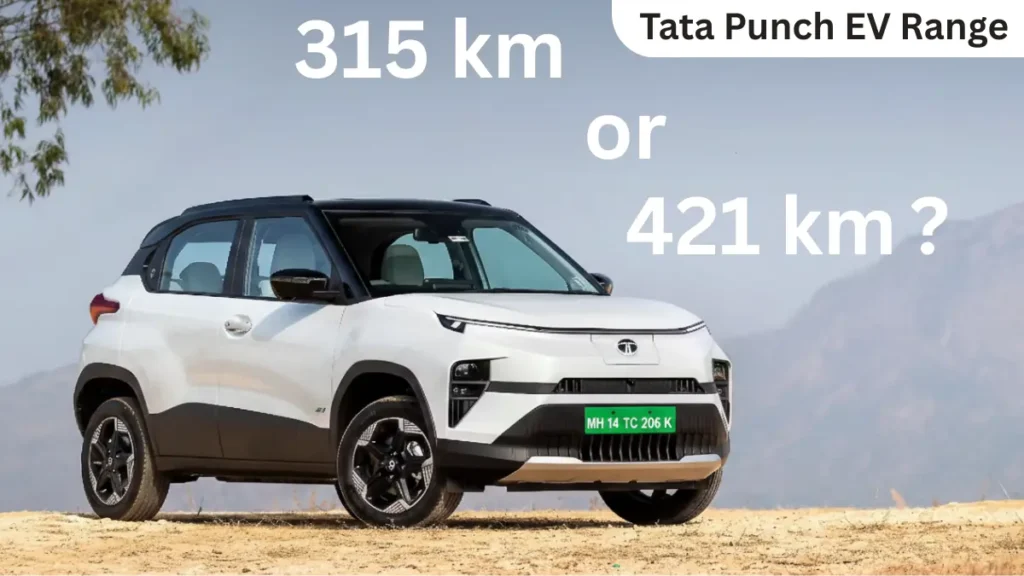

When the Tata Punch EV launched, the conversation quickly shifted to one central question:
“What’s the real range?”
In India’s fast-growing EV market, range anxiety still plays a decisive role in buying decisions. And with compact electric SUVs becoming the new urban mobility standard, the Punch EV has become one of the most searched and discussed electric cars in the country.
This article breaks down the Tata Punch EV range in a factual, practical, and experience-driven way — combining official specifications, real-world insights, comparative analysis, and buyer case scenarios.
Tata Punch EV: Where It Stands in India’s EV Landscape
4
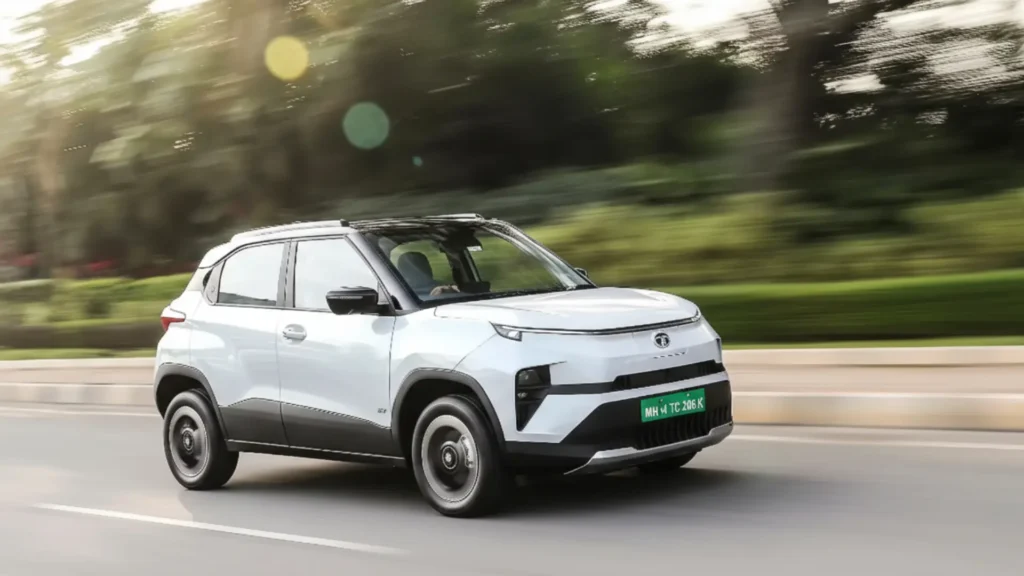
The Tata Punch EV is built on Tata’s dedicated acti.ev platform, unlike older EVs that were modified petrol platforms. That matters — because a ground-up EV architecture typically allows:
- Better battery integration
- Improved weight distribution
- Higher structural rigidity
- More efficient energy management
It sits below the Tata Nexon EV in Tata’s EV lineup and targets urban buyers who want SUV styling without Nexon-level pricing.
Official Tata Punch EV Range Figures
Tata offers two battery variants:
| Variant | Battery Capacity | Claimed Range (MIDC) |
|---|---|---|
| Standard Range | 25 kWh | 315 km |
| Long Range | 35 kWh | 421 km |
These figures are based on the MIDC (Modified Indian Driving Cycle) testing standard.
Charging Specs
- 7.2 kW AC home charger support
- 50 kW DC fast charging capability
- 10–80% charge in ~56 minutes (DC fast charger)
On paper, 421 km in a compact SUV is impressive. But the real question buyers ask is:
How much of that range do you actually get?
Real-World Range: What Owners Experience
Lab tests don’t replicate Indian traffic, AC usage in 40°C heat, highway speeds, or bumper-to-bumper city commutes.
Based on aggregated user reports and real-world tests:
| Variant | Claimed | Real-World City | Real-World Highway |
|---|---|---|---|
| 25 kWh | 315 km | 220–250 km | 190–220 km |
| 35 kWh | 421 km | 300–330 km | 260–290 km |
Why the Drop Happens
Range typically reduces due to:
- Constant AC usage
- High-speed highway driving (above 80–90 km/h)
- Heavy acceleration
- Passenger + luggage load
- Terrain (inclines reduce range significantly)
However, compared to competitors, the Punch EV still performs strongly in real-world efficiency.
How Punch EV Compares to Rivals
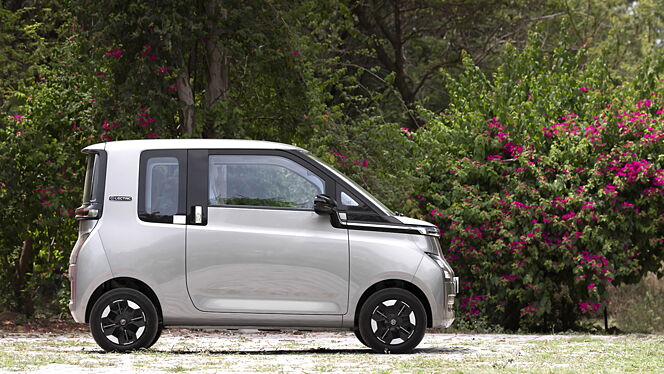
Here’s a realistic comparison with key competitors:
| Model | Battery | Claimed Range | Real-World Avg | Fast Charging | Segment |
|---|---|---|---|---|---|
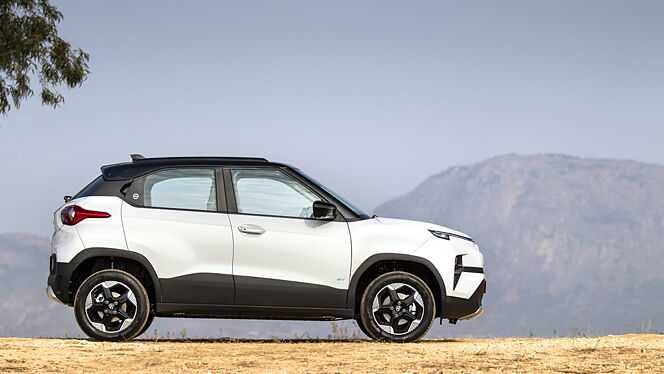
| Tata Punch EV LR | 35 kWh | 421 km | ~300 km | Yes (50 kW) | Compact SUV |
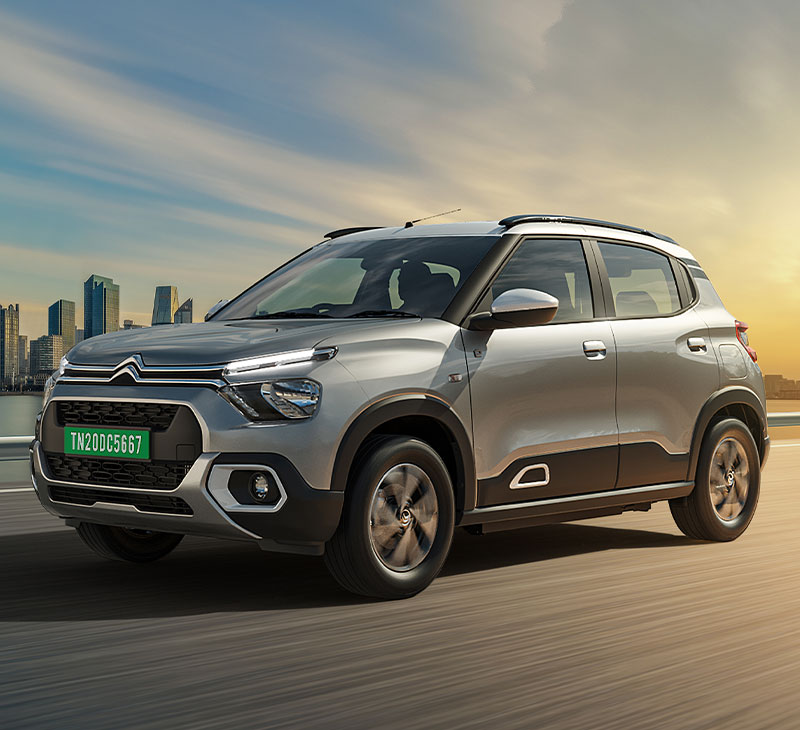
| Citroën eC3 | ~29 kWh | ~320 km | ~220 km | Limited | Hatch crossover |
| MG Comet EV | ~17 kWh | ~230 km | ~150–170 km | No DC fast charge | Urban micro EV |
| Hyundai Casper EV* | ~30–35 kWh (expected) | ~300–320 km | TBD | Expected | Compact SUV |
(*Expected India launch variant)
The Punch EV clearly offers:
- The longest claimed range in its price band
- Competitive real-world performance
- DC fast charging — which some rivals lack
This combination is why it’s trending.
Case Study 1: Urban Office Commuter
Profile:
Daily commute: 35 km
Monthly driving: ~900 km
Charging at home
Outcome:
- 25 kWh variant sufficient
- Charging needed every 5–6 days
- Electricity cost significantly lower than petrol equivalent
For city buyers, the 315 km claimed range is more than adequate.
Case Study 2: Weekend Highway Driver
Profile:
City commute + 200 km weekend highway trip twice a month
Outcome:
- 35 kWh variant recommended
- Real-world highway range ~270 km
- One fast charge during longer trips ensures comfort
For mixed usage, the Long Range variant provides psychological security.
Battery Technology & Efficiency Analysis
The Punch EV uses:
- Lithium-ion battery pack
- Liquid-cooled thermal management
- Regenerative braking with selectable levels
Energy efficiency roughly calculates to:
- ~8.3 km per kWh (Long Range variant, city conditions)
This is competitive in the compact EV SUV segment.
Ownership Economics: Does Range Translate to Savings?
Let’s break down running cost:
Electricity Cost Estimate (India Avg ₹8 per unit)
- 35 kWh full charge = ₹280
- Real-world range ~300 km
- Cost per km ≈ ₹0.93
Compare with petrol SUV (₹100/litre, 15 kmpl):
- ₹6.6 per km
That’s nearly 85% lower running cost.
Range isn’t just about distance — it’s about cost efficiency per kilometer.
Range Anxiety vs Charging Infrastructure
India’s charging network is expanding rapidly, especially in metro cities.
However:
- Tier-2 cities still developing infrastructure
- Highway fast chargers improving but not yet uniform
This makes the 421 km claimed range psychologically important — even if practical range is ~300 km.
The buffer matters.
Is Tata Punch EV Range Enough for 2026 Buyers?
With the expected 2026 facelift of the Punch EV focusing more on technology upgrades rather than major battery upgrades, Tata seems confident that current range figures are competitive.
Here’s the reality:
- For 80% of urban Indian users, even 250 km real-world range is sufficient.
- For intercity users, the Long Range variant makes practical sense.
- For buyers upgrading from petrol hatchbacks, this range feels more than adequate.
Expert Verdict: Should Range Be Your Deciding Factor?
Yes — but with context.
The Tata Punch EV range:
✔ Is competitive within its segment
✔ Offers class-leading claimed numbers
✔ Provides practical real-world usability
✔ Delivers strong cost-per-km advantage
But buyers must:
- Adjust expectations from MIDC numbers
- Consider usage patterns
- Understand charging access
If evaluated realistically, the Punch EV delivers one of the most balanced range packages in India’s compact electric SUV market today.
Final Takeaway
The Tata Punch EV is trending not because it breaks global EV range records — but because it hits the sweet spot for Indian conditions.
It offers:
- Practical city range
- Usable highway performance
- Fast charging support
- Affordable ownership economics
- SUV styling in a compact footprint
And in today’s market, that combination matters more than chasing unrealistic lab numbers.