
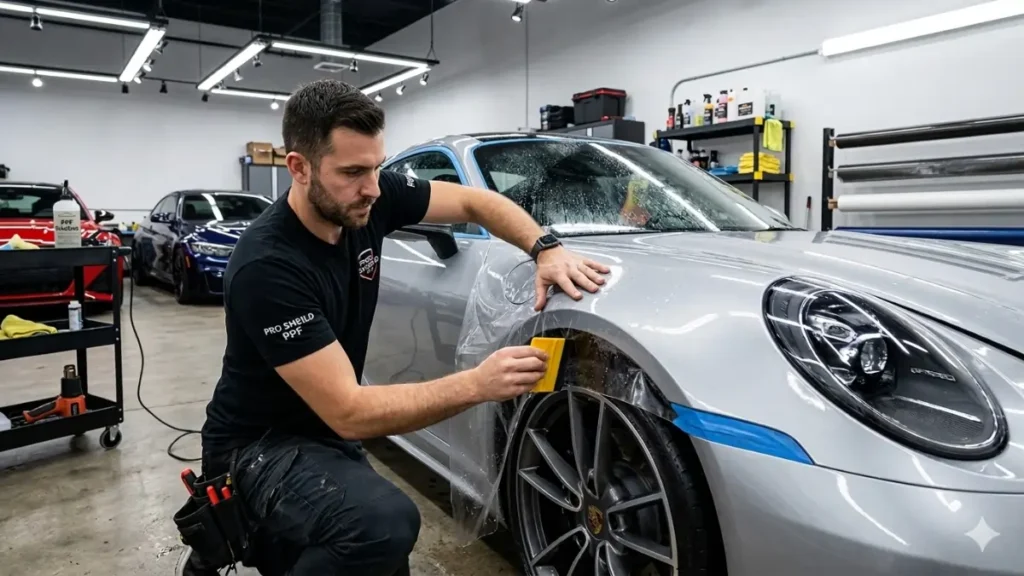

Maintaining a car’s exterior is one of the biggest concerns for vehicle owners. The paint not only determines how attractive the vehicle looks but also plays an important role in its long-term value. Everyday driving exposes cars to multiple risks such as road debris, scratches, dust, pollution, and harsh sunlight.
To address these issues, many car owners are choosing PPF (Paint Protection Film). This protective solution creates a transparent barrier over the paint surface, helping maintain the vehicle’s original appearance for years.
This guide explains everything you need to know about PPF for cars, including how it works, why it is useful, and what to consider before installing it.
What is PPF (Paint Protection Film)?
Paint Protection Film is a transparent polyurethane (TPU) film applied to the painted surfaces of a car. It forms a protective layer that shields the original paint from damage caused by everyday driving conditions.
The film is designed to be nearly invisible once installed and is commonly used to protect high-impact areas of the vehicle.
Common areas where PPF is applied include:
- Front bumper
- Hood
- Fenders
- Side mirrors
- Door edges
- Headlights
- Rocker panels
- Entire body panels in full-coverage installations
The main purpose of PPF is to preserve the original factory paint and reduce visible damage over time.
Why Car Paint Gets Damaged
Car paint can deteriorate faster than many owners expect. Even careful drivers face various environmental and road-related factors that gradually affect the paint surface.
Below are some of the most common causes.
| Paint Damage Cause | Impact on Vehicle |
|---|---|
| Road debris | Causes stone chips and small cracks |
| UV exposure | Leads to fading and dull paint |
| Bird droppings | Acidic residue damages paint layer |
| Tree sap | Creates stubborn stains |
| Dust and sand | Causes micro scratches |
| Improper washing | Produces swirl marks |
Over time, these small issues can reduce the vehicle’s overall appearance and resale value.
How PPF Protects Car Paint
Paint Protection Film works as a physical barrier between the environment and the vehicle’s paint surface. The film absorbs minor impacts and prevents them from reaching the original paint layer.
Key protective features include:
- Scratch resistance – reduces swirl marks and surface scratches
- Impact protection – protects against small stones and road debris
- Self-healing capability – light scratches disappear with heat exposure
- UV resistance – helps prevent paint fading
- Chemical protection – shields paint from contaminants such as bird droppings and sap
These characteristics make PPF one of the most advanced paint protection solutions available.
Major Advantages of Installing PPF
Many car owners choose PPF because of its long-term benefits.
Preserves Original Paint
Factory paint plays an important role in determining the resale value of a vehicle. PPF helps maintain that original finish.
Reduces Visible Wear
Minor scratches and swirl marks become less noticeable since the film absorbs the damage.
Self-Healing Surface
Modern PPF technology allows small scratches to disappear when exposed to heat from sunlight or warm water.
Long-Term Protection
Unlike temporary solutions, PPF provides durable protection for several years.
Enhances Gloss
Many films enhance the shine of the paint, giving the vehicle a cleaner and more polished appearance.
Evaluating Whether PPF is the Right Choice
Not every car owner makes the same decision regarding paint protection. Several factors influence whether installing PPF is worthwhile.
Understanding these factors helps determine if it suits your vehicle and driving habits.
Different Levels of PPF Coverage
PPF installation can vary depending on the level of protection required.
| Coverage Type | Protected Areas | Suitable For |
|---|---|---|
| Partial Coverage | Bumper, hood edge, mirrors | Basic protection |
| Front Section Protection | Full hood, bumper, fenders | Frequent highway driving |
| Full Body Protection | Entire vehicle | Maximum protection |
Choosing the right coverage depends on driving conditions, budget, and how long you plan to keep the vehicle.
PPF Compared to Other Paint Protection Methods
Car owners often compare PPF with other paint protection options. Each method offers different benefits.
| Protection Method | Protection Level | Typical Durability | Purpose |
|---|---|---|---|
| Wax | Low | Few weeks | Enhances shine |
| Paint Sealant | Moderate | Few months | Surface protection |
| Ceramic Coating | Moderate to high | 1–3 years | Chemical resistance |
| Paint Protection Film | Very high | Several years | Physical protection |
The major difference is that PPF provides protection against physical impact, which other options cannot offer.
Factors to Consider Before Installing PPF
Before making a decision, it is important to evaluate several practical aspects.
Driving Environment
If you frequently drive in areas with:
- Heavy traffic
- Dusty roads
- Highway travel
- Construction zones
your vehicle is more likely to experience paint damage.
Car Age
Many car owners install PPF on new car to prevent damage from the start. However, it can also be applied to well-maintained older cars.
Installation Quality
The effectiveness of PPF largely depends on proper installation.
Poor installation can lead to issues such as:
- Air bubbles
- Visible edges
- Dust trapped under the film
- Peeling over time
Professional installation ensures a smooth and durable finish.
Climate Conditions
In regions with:
- High temperatures
- Strong sunlight
- Heavy dust exposure
paint tends to degrade faster, making protective film more beneficial.
Maintenance Commitment
Although PPF reduces paint damage, basic maintenance is still necessary.
Good practices include:
- Gentle washing techniques
- Avoiding abrasive cleaning materials
- Removing bird droppings quickly
- Regular cleaning to prevent dirt buildup
Common Misconceptions About PPF
Many people hesitate to install PPF because of common myths.
Myth 1: The Film is Easily Visible
Modern PPF is nearly transparent and blends seamlessly with the paint.
Myth 2: It is Only Useful for Expensive Cars
Any vehicle can benefit from paint protection, especially if long-term ownership is planned.
Myth 3: It Eliminates All Damage
PPF protects against minor scratches and chips but cannot prevent major accident damage.
Myth 4: Special Cleaning Products Are Required
Regular car washing methods usually work well for maintaining the film.
Installing PPF on Your Car
Once you decide to install Paint Protection Film, understanding the process and expectations can help ensure the best results.
Step-by-Step Installation Process
Professional installation typically follows a structured process.
1. Thorough Cleaning
The vehicle is washed and decontaminated to remove dust, grease, and contaminants.
2. Paint Inspection
Technicians check for scratches, swirl marks, or imperfections on the paint surface. Minor corrections may be performed if necessary.
3. Film Preparation
The film is either pre-cut using digital templates or custom trimmed for the specific vehicle panel.
4. Film Application
A special solution is used during installation so the film can be positioned accurately before adhesion.
5. Bubble and Moisture Removal
Technicians carefully remove air bubbles and excess liquid to ensure a smooth finish.
6. Curing Time
The film requires a certain amount of time to fully bond with the paint surface.
Vehicle Areas Most Vulnerable to Damage
Some parts of a car are more exposed to road debris and scratches than others.
These areas are commonly protected with PPF:
- Front bumper
- Hood
- Side mirrors
- Door handles and edges
- Wheel arches
- Rocker panels
- Headlights
Protecting these high-impact zones can significantly reduce visible damage.
Expected Lifespan of Paint Protection Film
The durability of PPF depends on several factors.
| Factor | Influence on Durability |
|---|---|
| Film quality | Better materials last longer |
| Installation method | Proper application improves lifespan |
| Climate exposure | Extreme conditions may reduce durability |
| Maintenance | Regular cleaning helps maintain clarity |
When properly maintained, PPF can remain effective for multiple years.
Signs That Your Car Could Benefit From PPF
Certain situations indicate that paint protection film may be useful.
- Frequent highway driving
- Visible stone chips on the hood
- Scratches appearing after washing
- Paint fading due to sunlight
- Desire to maintain long-term resale value
Applying PPF early can prevent many of these issues from becoming serious.
Maintenance Tips After Installation
Proper care ensures the film performs well for a long time.
Avoid Immediate Washing
Allow several days after installation before washing the car.
Use Gentle Cleaning Methods
Soft wash mitts and microfiber cloths help avoid unnecessary scratches.
Avoid Harsh Chemicals
Strong cleaning agents may damage the protective film.
Regular Cleaning
Keeping the film clean prevents dirt buildup and maintains transparency.
Final Thoughts
Paint Protection Film has become a popular choice for car owners who want to preserve the appearance and value of their cars. By creating a transparent protective layer, PPF helps shield the paint from scratches, chips, and environmental damage.
Although it requires professional installation and basic maintenance, the benefits can be significant for those who want long-term paint protection. Understanding how the film works, what factors to consider, and how the installation process works can help car owners make an informed decision.
For drivers who want their cars to maintain a fresh and well-kept appearance for years, PPF can be a practical and effective solution.